

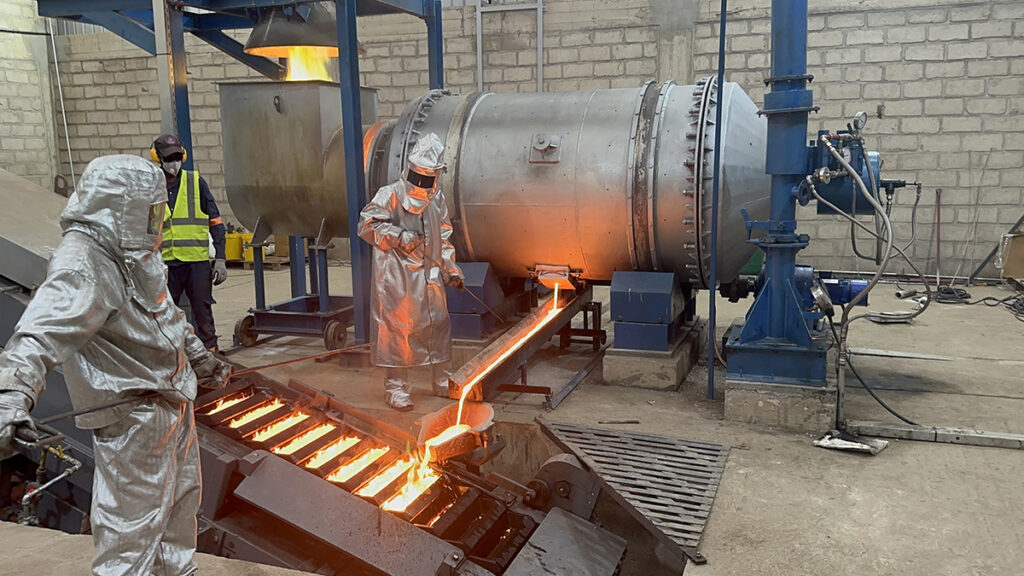
In today’s volatile energy market, industrial furnaces remain among the most energy-intensive assets in metal processing, recycling and heat treatment operations. With fuel and electricity costs continuing to place pressure on margins, improving furnace efficiency is no longer a technical aspiration. It is a commercial imperative.
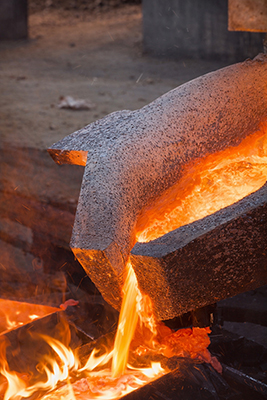 Operating at temperatures often exceeding 1,000°C, even small inefficiencies can result in significant energy losses. In many cases, a substantial proportion of input energy is not used to heat the product but is lost through exhaust gases, surface radiation, open doors and idle periods. Understanding and quantifying these losses is the first step towards meaningful and measurable improvement.
Combustion optimisation is typically the most immediate route to efficiency gains. Many older systems operate with excess air, which absorbs heat and carries it out through the flue. Modern combustion control systems enable precise air-to-fuel ratio adjustment and continuous oxygen monitoring, reducing fuel consumption while improving temperature stability and emissions performance.
Heat loss through insulation is another frequently underestimated factor. Degraded refractory linings, damaged insulation and poorly sealed doors can significantly increase energy demand over time. In many cases, targeted refurbishment can deliver strong returns without the need for full furnace replacement.
Waste heat recovery presents further opportunity. Exhaust gases are one of the largest sources of lost energy, and technologies such as recuperators and regenerators can capture and reuse this heat within the process. When correctly engineered, these systems reduce fuel consumption without adding unnecessary operational complexity.
However, efficiency is not determined by equipment alone. Operational practices play a critical role. Frequent door openings, extended idle periods and inefficient scheduling all increase heat losses. In practice, reducing overall cycle time often delivers the greatest savings. A furnace that heats faster and operates for shorter periods will consume less energy while increasing throughput.
Monometer’s experience across furnace design, upgrade and consultancy projects consistently shows that the best results come from addressing these areas together. By combining sound engineering with disciplined operation, businesses can achieve lasting reductions in energy use while improving productivity and reliability.
For further information on furnace efficiency assessment, design support or specialist consultancy services, contact: c.hall@monometer.com.